 Posted on: 7 November 2025
Japan Earthquake Damage Risks & The Role of House Insurance
Japan is renowned for its beautiful landscapes, rich culture, and technological advancement, but it is also one of the most earthquake-prone countries in the world. For homeowners and property investors, understanding the risks of seismic damage, the role of house insurance, and relevant property laws in Japan is vital.
This article explores the reality of earthquake risk, especially in major cities, and explains how earthquake insurance works so you can better protect your home, finances and long-term plans.
The Reality Of Earthquake Risk In Japan
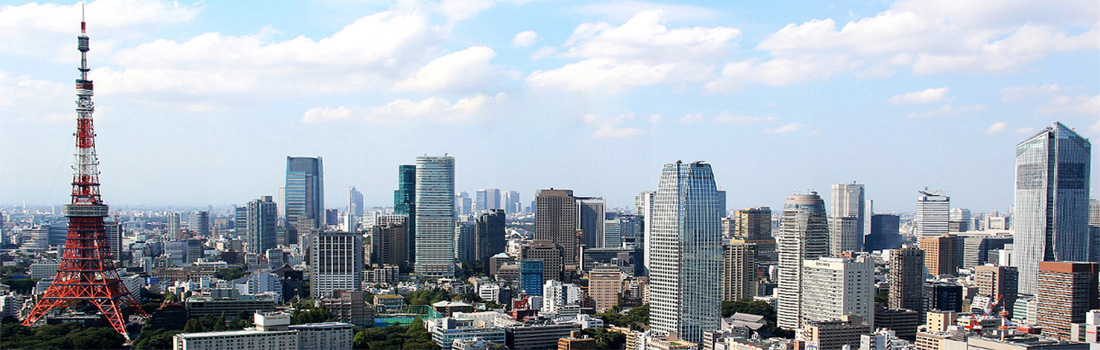
Japan’s geographical position along the Pacific Ring of Fire places it in one of the most seismically active zones on the planet. Scientists estimate that there is a high likelihood of a major earthquake striking the Tokyo metropolitan area within the next few decades. The potential damage from such an event would be significant, affecting both people and property on a large scale.
For those interested in buying property in Tokyo, these risks must be factored into long-term planning. Earthquake resilience is not only a matter of safety but also financial stability, especially when investing in real estate. Understanding how insurance supports property owners in the aftermath of a disaster is therefore essential.
Why Typical Home Insurance Is Not Enough
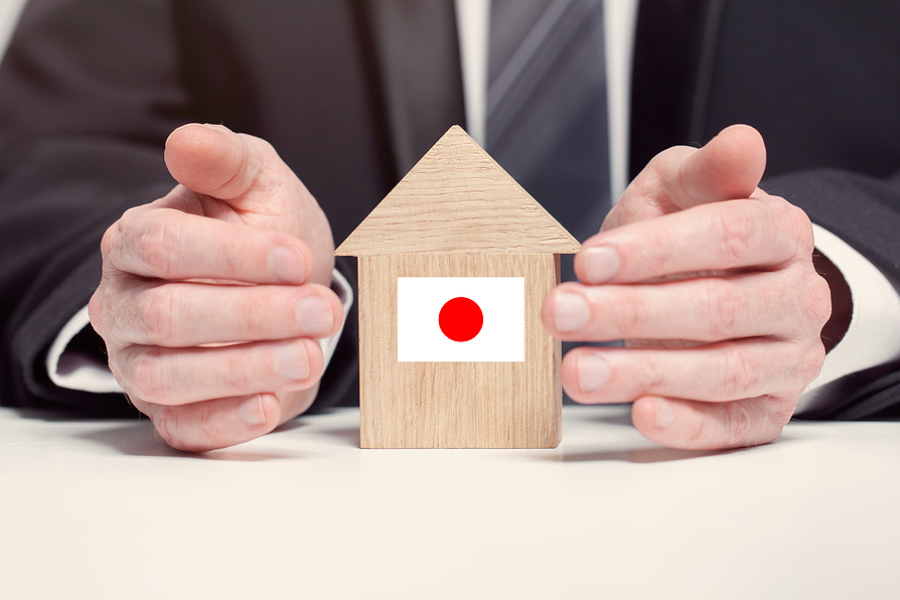
A common misconception among new property owners is that fire insurance in Japan automatically covers all kinds of disaster-related damage. This is not the case. Standard home or fire insurance does not cover destruction caused directly or indirectly by earthquakes, tsunamis or volcanic eruptions.
This means that even if an earthquake leads to a fire or structural failure, your typical home insurance policy will not compensate you. Without an earthquake-specific policy in place, property owners may face substantial out-of-pocket losses. For this reason, assessing your coverage early on is one of the most important steps in protecting your home.
How Earthquake Insurance Works In Japan
Added To Fire Insurance
Earthquake insurance in Japan is not sold separately. Instead, it must be added as an optional rider to a fire insurance policy. This system ensures that homeowners consider it at the point of purchasing basic property coverage.
Government Supported System
To stabilise the insurance market, earthquake insurance operates through a partnership between private insurers and the national government. This structure helps ensure that insurers can pay out claims even after a large-scale seismic event that affects many households at once.
Coverage Limits
Earthquake insurance in Japan is designed to support recovery rather than fully rebuild a home from scratch. Because of this, the insured amount is limited to a portion of the building and contents value. While this structure reduces premiums, it also means property owners must understand the potential gap between insurance payments and actual rebuilding costs.
Payout Categories
Instead of covering the exact amount of damage, earthquake insurance uses predetermined payout categories. These include classifications such as total loss, large half loss, small half loss and partial loss. After an assessment, the insurer pays a fixed percentage of the insured amount according to the damage category. This system allows for faster payouts but requires homeowners to be aware of the limitations.
Affordability And Discounts
Although Japan faces high earthquake risk, earthquake insurance premiums can be relatively affordable. Several factors influence the cost including location, building type, construction year and structural resilience. Modern homes built under updated building codes tend to have lower premiums due to improved resistance.
There are also various discounts available. Homes with advanced seismic isolation systems or those certified with high seismic performance grades may receive significant reductions. Properties built after major building code revisions may also qualify for age-related discounts. Long-term policy contracts often come with additional savings, helping homeowners manage costs over several years.
Why Some Homeowners Still Skip It
Despite its importance, a considerable number of households in Japan do not carry earthquake insurance. Some people underestimate the likelihood of a major earthquake affecting their area. Others feel that the payout structure does not fully cover rebuilding costs and therefore question the value of the policy.
Underinsurance is another issue. Even when homeowners purchase earthquake coverage, they may insure their property for a smaller amount than needed, leaving them vulnerable if major damage occurs. Understanding the true value of your property and selecting the right coverage level is essential to avoid financial strain later on.
Mitigating Earthquake Risk Beyond Insurance
While insurance is a key layer of protection, it should be complemented by proactive measures:
-
Seismic Retrofitting
Strengthening older homes greatly improves structural resilience. Some local governments offer financial support for retrofitting projects.
-
Property Selection
When buying property in Japan, consider buildings with strong seismic performance ratings or modern construction methods designed to withstand quakes.
-
Emergency Preparedness
Preparing an emergency supply kit, identifying evacuation routes and practising safety drills all contribute to personal and family safety.
-
Reviewing Your Policy Regularly
As your property value, lifestyle or insurance rules change, it is important to update your policy to maintain adequate protection.
Conclusion
Earthquake risk is an unavoidable part of life in Japan, especially in high-density regions like Tokyo. Understanding the limits of standard home insurance and the structure of earthquake insurance is essential for protecting your home and securing financial stability. For property owners and those planning to invest, earthquake insurance is not simply an optional add-on but a necessary safeguard.
If you are exploring the property market or assessing the safety and resilience of potential homes, the team at JP Homes offers guidance, resources and expert support to help you make informed and confident decisions.