 Posted on: 10 February 2025
Investing in Tokyo: 1-Room Studio vs. Family Units in 2026
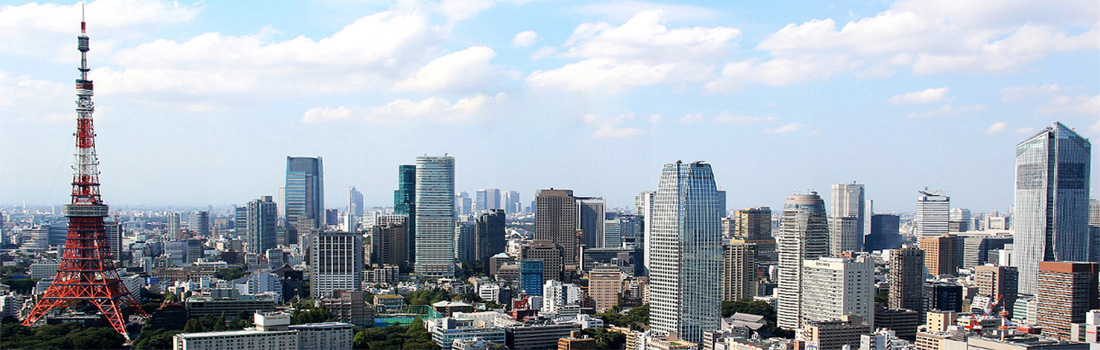
Tokyo’s real estate market continues to attract international investors and long-term residents alike. With the city’s population remaining resilient and demand for rental properties steady, buying property in Tokyo for foreigners is becoming a more accessible and attractive option. Whether you are a seasoned investor or considering your first foray into the Japanese market, understanding the differences between investing in compact 1-room studios and larger family units is essential.
In this article, we explore what each option offers in 2026, examining market trends, rental potential, management considerations, and long-term value.
Why Tokyo Remains a Compelling Investment Destination
Tokyo has long been revered as one of the world’s most dynamic and stable real estate markets. As Japan’s capital and economic hub, it attracts students, professionals, families, and expatriates from across the globe. This consistent demand underpins strong occupancy rates and rental yields across various property types. Moreover, with recent regulatory changes and improvements in financing options, buying property in Tokyo as a foreigner has become increasingly feasible, making it a highly sought-after destination for international investment portfolios.
Several factors contribute to Tokyo’s appeal: a well-developed infrastructure, strong legal protections for property owners, and a stable political environment. Furthermore, preparations for major international events and ongoing urban regeneration projects continue to enhance neighbourhood desirability.
The Appeal of 1-Room Studios
1-room studios, often referred to as “single” or “compact” units, are typically between 20–30 square metres and are designed to maximise efficiency. Their modest size and relatively affordable price point make them particularly attractive for specific investor profiles.
One of the most compelling aspects of investing in studio units is the lower entry cost. For investors with limited capital, studios offer a way to enter the Tokyo market without the financial commitment required for larger family units. In many cases, the purchase price for a studio can be less than half that of a modest family apartment in central Minato, Shinjuku, or Shibuya.
Another advantage is tenant demand. Studios are especially popular with young professionals and students – two large and mobile demographics in Tokyo. Proximity to transport hubs, universities, and business districts often results in short vacancy periods. This consistent demand can translate into reliable monthly rental income and relatively high gross yields compared to larger units.
From a management perspective, studio units also tend to be less complex. With smaller square footage, maintenance costs are lower, and turnover, while more frequent, is easier to manage. Many first-time investors appreciate the simplicity of handling a portfolio of studios, alongside the potential for diversified risk across multiple units in different locations.
The Benefits of Family Units
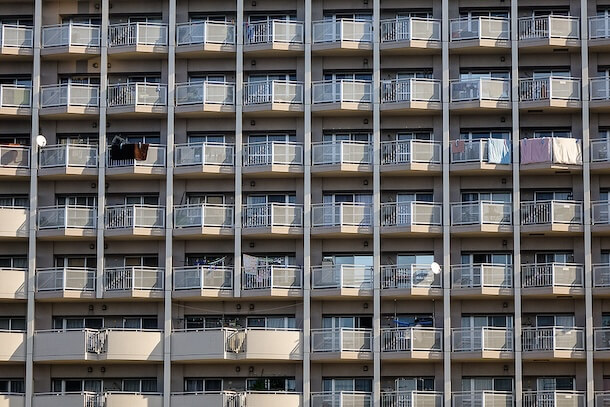
While studios offer accessibility and strong rental appeal, family units present a different set of advantages. Larger apartments, typically two or three bedrooms with around 60–90 square metres, cater to a broader segment of the market, including families, couples, and longer-term residents.
One of the primary benefits of family units is longer tenancy durations. Families and stable professionals often sign longer leases compared to the transient tenant base of studio apartments. This can result in reduced turnover costs and more predictable income flows.
Family units are also well-suited to neighbourhoods with good schools, parks, and amenities – areas that maintain lasting desirability and tend to appreciate steadily. Investors seeking capital growth may therefore find family units more appealing, particularly in well-established residential wards like Setagaya, Meguro, and Nerima.
From a rental income perspective, family units usually offer higher absolute monthly rent than studios, albeit with higher purchase prices. The closer a property is to transit links and lifestyle amenities, the stronger its rental performance. In addition, larger units can attract premium tenants willing to pay more for comfort and space.
Comparative Rental Yields and Market Trends
Understanding rental yields is key when comparing studios and family units. Generally speaking, smaller units such as studios often deliver higher gross rental yields due to lower purchase prices and quick tenant turnover. In contrast, larger units may offer lower initial yields but greater stability and potential for capital appreciation.
In 2026, Tokyo’s rental landscape reflects broader demographic shifts. More younger workers are looking for mobility and convenience, favouring properties close to major stations. This supports demand for studio units in central wards. Conversely, suburban and residential-oriented family units maintain steady demand from long-term tenants, especially those prioritising space and lifestyle.
Economic conditions also influence investor behaviour. Interest rates, lending conditions, and local housing policies can shape return expectations. As Japan continues to balance economic stimulus with regulatory measures, investors should monitor macroeconomic signals closely, particularly if financing a purchase through local banks or international lenders.
Financing and Foreign Investment Considerations
For many international investors, financing is a critical consideration. Japan has made notable progress in opening its lending environment to non-residents, but nuances remain. Foreign buyers should be prepared to demonstrate financial stability and a clear investment strategy when seeking loans from Japanese institutions.
One practical advantage of studio units for overseas buyers is their lower price threshold, making it easier to meet financing criteria and secure favourable loan-to-value ratios. For family units, higher capital requirements can be offset by longer lease contracts and stronger tenant profiles, which are viewed favourably by lenders.
Another consideration is taxation. Japan’s property tax system includes fixed assets tax and city planning tax, both of which vary depending on property size and value. Additionally, income tax on rental profits and potential capital gains tax upon sale should be factored into long-term financial planning. Engaging with a local tax professional can help investors optimise their approach based on individual circumstances and investment goals.
Property Management and Operational Challenges
Owning property in Tokyo, whether a studio or a family unit, entails ongoing management responsibilities. Investors must account for landlord insurance, building maintenance fees (especially in condominiums), and tenant relations. Many foreign investors opt for professional property management services to navigate language barriers, local regulations, and day-to-day operations.
Studios, because they often attract more transient renters, may require more frequent tenant placement efforts. This can increase management workloads unless outsourced. Family units, with longer lease periods, might reduce administrative turnover but could involve higher expectations for maintenance and amenity management.
Selecting the right partner for property management is critical. A knowledgeable local provider can streamline rental collection, coordinate repairs, and ensure compliance with Japanese tenancy laws, safeguarding both income and asset value.
Which Investment Strategy Is Right for You?
The choice between studios and family units ultimately depends on your investment priorities, financial capacity, and risk tolerance.
Studios may appeal to those seeking:
- Lower initial investment costs
- Higher potential rental yields
- Simpler management structures
- Diversification through multiple units
Family units may be preferable for investors who prioritise:
- Stable, long-term tenants
- Strong capital growth potential
- Larger rental incomes
- Desirable residential locations
It is also worth considering a diversified portfolio that includes both property types. This strategy can balance yield and stability, spreading risk across tenant demographics and differing market conditions.
Conclusion: Making Informed Choices with JP Homes
Investing in Tokyo’s real estate market in 2026 presents compelling opportunities for both new and experienced investors. Whether you are exploring the efficiency and yield of 1-room studios or the long-term appeal of family units, understanding market dynamics and tenant demand is paramount.
For tailored guidance and professional support, JP Homes offers expert insights into property selection, financing options, and ongoing management services. Our local knowledge and international perspective can help you navigate Tokyo’s unique investment landscape with confidence.
If you’re considering expanding your portfolio or entering the Japanese market for the first time, partnering with JP Homes can provide clarity, strategy, and peace of mind, enabling you to make well-informed decisions that align with your financial goals.