 Posted on: 28 January 2026
How Much Money Do You Actually Need to Move to Japan?
Thinking about relocating to Japan is one thing, but knowing how much money you actually need to make the move is quite another. From visas and flights to rents, deposits and day-to-day living costs, accurate budgeting will make the difference between a smooth start and a financial scramble. While figures vary significantly by city and personal lifestyle, this guide breaks down the key expenses you should plan for before you leave home.
If you’re also interested in buying property in Tokyo, understanding living costs and relocation budgets is a great precursor to long-term investment planning.
Visa And Documentation Costs
The first step in your Japan journey is securing the right visa, whether that’s a work, student, family or other long-stay category. Visa application fees vary by nationality and type, but tend to be relatively modest, often only a few thousand yen. In many cases, sponsors such as employers or universities will cover some of the paperwork costs, and the residence card issued at arrival is free. A common mistake when moving to Japan is underestimating the potential fees for translating, notarising, or legalising official documents before departure.
Certain additional permits, like re-entry permits for long-term residents planning repeated travel, may incur separate costs of a few thousand yen.
Flights And Initial Travel
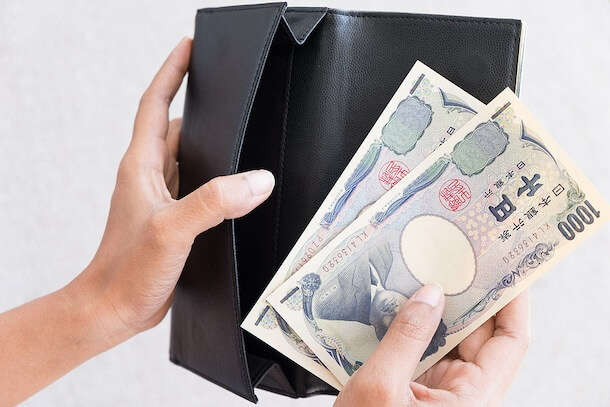
Flight prices to Japan vary depending on season, carrier, and departure point. A one-way ticket from Europe or North America typically ranges from ¥50,000 to ¥200,000 (roughly £250–£1,000 at current rates), with cheaper deals often available outside peak holiday periods. Booking well in advance usually offers the best savings.
Don’t forget to include transport to and from international airports in your budget too, especially if you live far from major hubs.
Temporary Accommodation On Arrival
Once you land, most expats spend a few days or weeks in temporary housing while house-hunting and attending paperwork appointments. Budget options like hostels and guesthouses may cost between ¥2,500 and ¥6,000 per night, while business hotels and serviced apartments typically range from ¥6,000 to ¥15,000 per night.
Temporary accommodation offers flexibility but can add up fast if your house search extends beyond a couple of weeks.
Upfront Housing Costs
Japan’s rental system is famously different from many Western countries, and upfront costs can be a shock to first-time movers. On top of the first month’s rent, newcomers usually pay:
- Deposit (Shikikin) — often equivalent to one or two months’ rent; refundable if there are no damages.
- Key Money (Reikin) — a non-refundable “gift” to the landlord, frequently equal to one or two months’ rent.
- Agent Fee — charged by the real estate agency, commonly one month’s rent.
- First Month’s Rent — payable before moving in.
Altogether, these costs often total four to six times your monthly rent before you even get the keys. For example, if your rent is ¥80,000 per month, your initial expenses could reach ¥320,000–¥480,000 or more.
Setting Up Your New Home
Once you have an apartment secured, you’ll need basic furnishings and household items. Unless your accommodation is already furnished, plan for:
- Kitchenware and appliances (rice cooker, microwave, kettle),
- Bedding and futons,
- Curtains and storage,
- Bathroom basics,
- Internet and mobile phone setup.
A reasonable setup budget is ¥100,000–¥150,000 for essentials.
Monthly Living Expenses
After moving in, your monthly budget covers housing costs (rent), utilities, food, transportation and personal spending. These estimates vary widely by location and lifestyle, but current averages include:
- Rent for a one-bedroom outside city centre: ¥50,000–¥70,000
- Utilities (electricity, gas, water, internet): ¥10,000–¥25,000
- Food and groceries: ¥30,000–¥60,000
- Transport: ¥8,000–¥20,000
- Healthcare insurance: ¥5,000–¥10,000
This gives a typical monthly living cost range of roughly ¥130,000–¥270,000 for a single person in a major city.
In Tokyo, high rents and lifestyle costs often push total monthly budgets towards the upper end of that range, especially if you eat out regularly or prefer central locations.
Cost Of Living By Location
Major urban centres like Tokyo and Osaka are the most expensive places to live in Japan. But outside these cities, you’ll generally find:
- Lower rents,
- Smaller deposits and agent fees,
- Cheaper daily expenses,
- More space for your money.
If cost minimisation is a priority, consider secondary cities such as Fukuoka, Sapporo or Nagoya. These areas offer vibrant communities and excellent public transport at significantly lower living costs.
Healthcare And Insurance
Healthcare in Japan is high quality and accessible, but it’s compulsory to enrol in a health insurance scheme once you become a resident. Most people join the National Health Insurance system, which typically costs ¥5,000–¥10,000 per month for individuals, though your employer may subsidise part of the premium.
Out-of-pocket treatments are usually covered at 70% under insurance, so budgeting for both premiums and occasional co-payments is important.
Contingencies And Emergency Funds
Life rarely goes exactly to plan, especially right after a major move. It’s wise to keep an emergency fund equivalent to at least a couple of months’ living expenses on hand. Unexpected costs, such as repair bills, lost luggage, or a late first salary, can add up quickly if you’re not prepared.
Many long-term expats recommend having at least ¥200,000–¥300,000 aside beyond your planned budget.
Education And Work Costs
If you’re moving with family or on a student visa, additional costs include:
- School or university tuition,
- Language courses,
- Materials and daily school expenses,
- Commuter passes for students.
These expenses vary enormously by age and educational path but should factor into your overall financial planning early.
What’s A Realistic Total Budget?
Every move is unique, but here’s a reasonable baseline estimate before you depart:
- Flights: ¥50,000–¥200,000
- Temporary housing: ¥50,000–¥150,000
- Upfront housing costs: ¥300,000–¥600,000
- Furnishings: ¥100,000–¥150,000
- Emergency fund: ¥200,000–¥300,000
This brings an approximate pre-move budget of ¥700,000–¥1,400,000, and that’s before your first month of living expenses. Once you factor in rent, utilities and food, having ¥1.2 million–¥2 million saved before relocating gives a much more comfortable financial cushion.
Final Thoughts
Moving to Japan is an unforgettable experience, but it’s also a financial commitment that deserves careful preparation. A well-planned budget will help you navigate visas, housing, day-to-day costs and unexpected expenses without stress.
If you’re thinking beyond relocation and considering settling down or investing here, understanding these costs lays a strong foundation.
At JP Homes, we’re dedicated to helping you navigate life in Japan, whether that’s finding your first apartment, relocating smoothly, or exploring property ownership.